Online

 Home
Home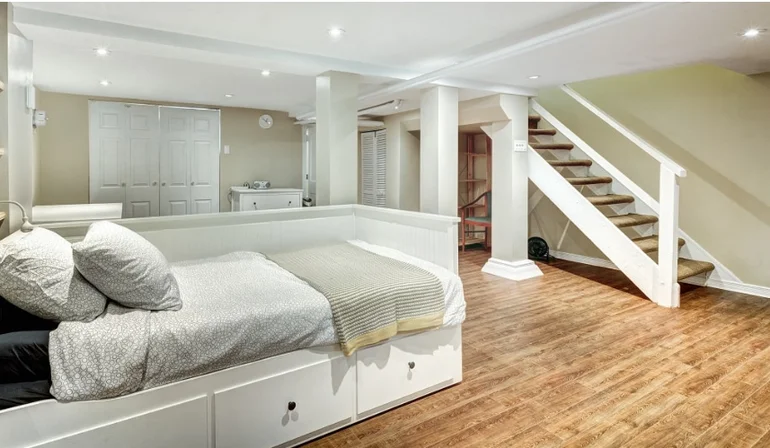

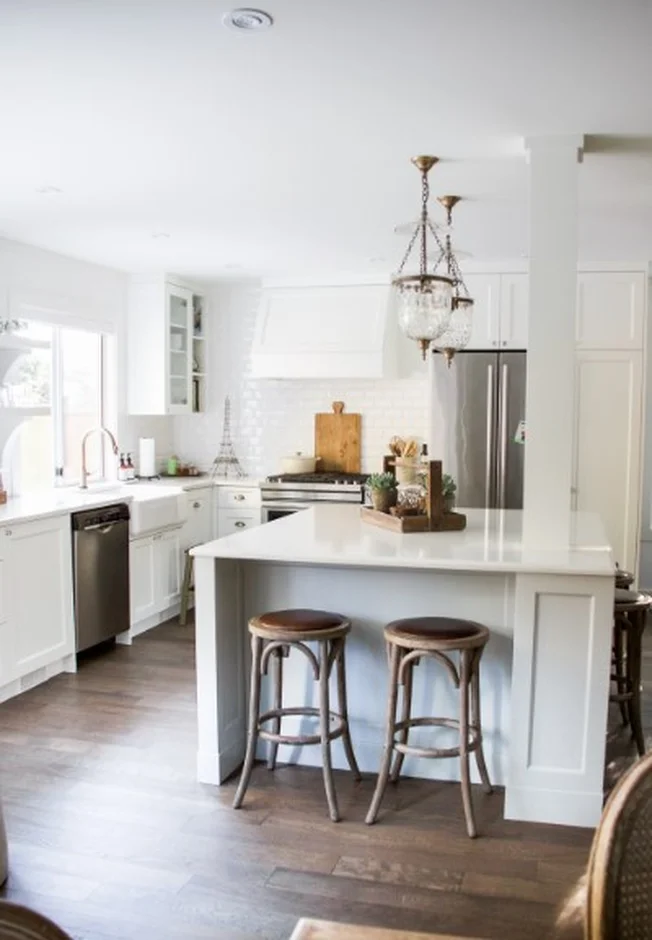
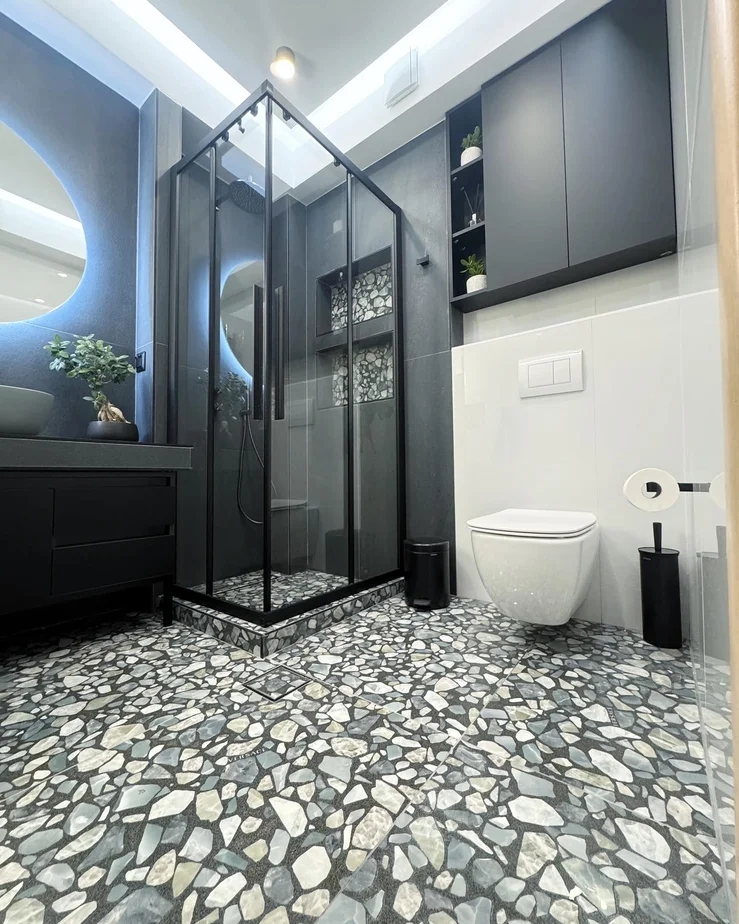
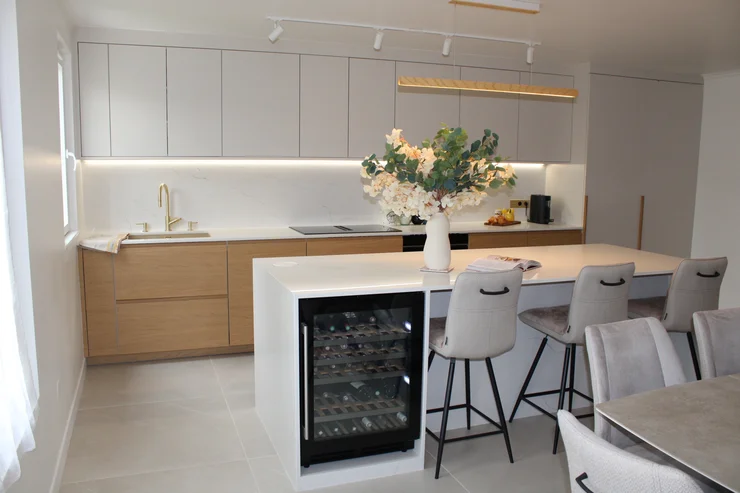
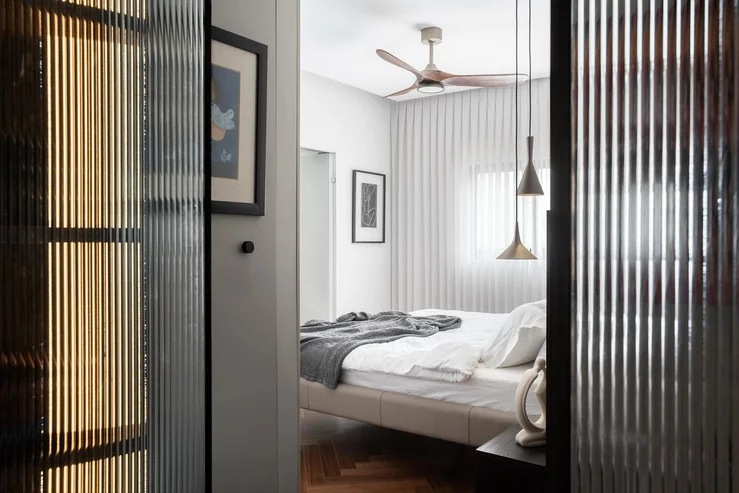
A well-planned basement can do much more than store boxes or house mechanical equipment. It can become a comfortable family room, a quiet home office, a guest area, a workout space, a playroom, or a flexible extension of the way you live every day. When homeowners start exploring basement remodeling Chicago, they are usually trying to solve a practical problem: they need more usable space without the disruption of moving.
That is why a strong basement project starts with function. Before finishes, color palettes, or built-ins, it helps to define how the lower level should support your household. Some families want an open area for movies and gatherings. Others need separate zones for work, hobbies, storage, and overnight guests. The best results come from aligning layout, lighting, materials, and storage with the way the space will actually be used.
If you are comparing options for a basement Chicago project, it helps to think beyond appearance alone. Moisture conditions, ceiling height, access, lighting, sound control, and traffic flow all affect how comfortable the finished space will feel. A lower level should not feel like an afterthought. With the right planning, it can become one of the most practical and enjoyable parts of the home.
Why Homeowners Remodel the Basement
Many homes have untapped potential downstairs. A thoughtful Chicago basement update can create room for daily living without changing the overall footprint of the house. That matters when families want more flexibility, more privacy, or better use of existing square footage.
- More livable space for family time, hobbies, or entertaining
- Better separation between quiet areas and active areas of the home
- Improved storage through smarter layout and built-in solutions
- A more finished, comfortable feel instead of an underused lower level
- Long-term usability for changing household needs
For many homeowners, the goal is not simply to finish the basement. It is to create a space that feels intentional, comfortable, and easy to use throughout the year. That is where clear planning makes the difference between a room that looks updated and a space that truly supports everyday life.
A Practical Approach to Basement Planning
A successful basement project balances design goals with construction realities. Lower levels often have different conditions than the main floors of a home, so it helps to approach the project as a complete system. Layout, insulation, electrical planning, flooring, lighting, storage, and the overall feel of the finished rooms should work together.
The planning stage becomes especially important when the basement needs to serve more than one purpose. A family room may also need hidden storage. A guest area may also work as a home office. A fitness zone may need better lighting, durable finishes, and enough open floor area to move comfortably. The more clearly those needs are defined at the start, the more cohesive the finished result becomes.
What Good Basement Design Should Do
Strong basement design Chicago ideas usually focus on usability first. Because many lower levels have limited natural light, layout and finish decisions can do a great deal to improve the feel of the space. Lighter palettes, layered lighting, cleaner sight lines, and sensible storage can help the basement feel more open and less enclosed.
Popular design directions often include:
- Open gathering areas with media walls or flexible seating
- Guest rooms paired with storage and a nearby lounge area
- Home offices with privacy, task lighting, and built-in shelving
- Playrooms designed for easy cleanup and long-term flexibility
- Workout areas with durable flooring and practical layout planning
- Wet bars or refreshment areas that support entertaining
The best layout is rarely the one with the most features. Good design makes movement easier, gives each zone a purpose, and helps the basement feel connected to the rest of the home rather than visually separated from it.
What a Basement Remodel Can Include
Every basement remodel Chicago project is different, but many lower-level renovations include framing, drywall, flooring, lighting, trim, paint, doors, storage improvements, and better room organization. Some homeowners want a simple open finished area. Others want multiple rooms with a more custom layout and stronger separation between functions.
This is also where scope matters. Some basements need primarily cosmetic improvement, while others benefit from a more complete reworking of the floor plan. The right approach depends on how you want the space to perform, how often it will be used, and what level of finish makes sense for the home overall.
Benefits of Working with a Basement-Focused Remodeling Team
Choosing a basement remodeler in Chicago is not only about updating finishes. It is about turning an underused lower level into a clear, workable plan. A strong remodeling process should clarify priorities early, explain the sequence of work, and help homeowners compare options without making the project feel overwhelming.
Basement remodeling usually involves many decisions that affect both appearance and function. Lighting plans, storage placement, flooring, wall layout, and room purpose should support one another instead of being decided in isolation. When those elements are coordinated well, the finished basement feels more complete and more useful from day one.
Basement Finishing with Everyday Use in Mind
When people search for basement finishing in Chicago, they are often looking for more than a cosmetic update. They want a lower level that feels complete, comfortable, and worth using every week. That means choosing layouts and finishes that hold up to daily life, not just spaces that look good in photos.
Thoughtful finishing can improve comfort, reduce visual clutter, and make the lower level feel like a natural extension of the home. The result is usually a space that supports household needs now while staying flexible enough for future changes.
How It Works
If you are comparing basement remodeling contractors Chicago, it helps to understand the steps behind a well-organized project.
- Initial conversation — Start with how you want to use the basement and what matters most in terms of layout, comfort, and storage.
- On-site review — The existing lower level is assessed for dimensions, access, room potential, and planning opportunities.
- Scope development — Your goals are translated into a practical remodeling plan that defines rooms, features, and finish level.
- Selections and layout decisions — Flooring, lighting, wall treatments, storage ideas, and visual direction are coordinated so the space feels cohesive.
- Construction and finishing — The project moves from framing and infrastructure planning to finished surfaces and details.
- Final review — The completed space is reviewed to make sure it feels functional, complete, and aligned with the original goals.
Why a Basement Renovation Can Add Real Value
A thoughtful basement renovation Chicago project can improve both livability and flexibility. Homeowners often choose this kind of update because it solves practical space problems without requiring an addition or a move.
- Creates more room for everyday living
- Supports changing household needs over time
- Improves organization with smarter storage options
- Makes the home feel more complete and balanced
- Turns overlooked square footage into useful living area
Examples of Basement Uses
Many basement remodelers projects are driven by real household needs rather than trends alone. Here are a few common ways a lower level can be transformed into something more useful.
Family Lounge and Media Room
A wide open basement can be organized into a comfortable hangout area with a media wall, better lighting, and storage that keeps everyday clutter out of sight.
Guest Area and Home Office
A multi-use layout can create a more private place for visitors while still giving the household a quiet area to work during the week.
Playroom with Built-In Storage
A finished lower level can help move toys, games, and activity space out of the main living area while still keeping everything organized.
Fitness and Hobby Zone
A flexible basement can combine exercise space, open floor area, and practical storage for equipment, supplies, or seasonal items.
Planning a Basement Remodel the Smart Way
Every Chicago basement remodel should begin with a simple question: what should this space do better than it does now? The answer shapes everything else. Once the goals are clear, it becomes easier to make decisions about room division, traffic flow, lighting, finishes, and storage.
Trying to fit too many ideas into one lower level can make the final result feel crowded. Smart planning usually means focusing on the uses that matter most, then building flexibility into the layout where possible. A basement that works well is usually one that feels simple, deliberate, and easy to live with.
Local Planning Matters
Good local basement remodeling planning should reflect how people actually use space in city homes. Lower levels often need to perform multiple roles, especially when the main floors are already full. That is why practical design decisions matter as much as visual style. The project should support daily routines, storage needs, and comfort instead of simply adding finishes for the sake of appearances.
Chicago Basement Remodeling and Renovations with Purpose
The strongest Chicago basement remodeling and renovations are built around purpose. A lower level does not need to imitate the upstairs. It needs to complement it. In some homes, that means creating a casual retreat. In others, it means solving space pressure with rooms that support work, guests, hobbies, or quieter daily routines.
When the design is aligned with real household needs, the basement becomes more than extra space. It becomes usable square footage that improves how the whole home functions.
Making the Finished Basement Feel Complete
Effective Chicago basement finishing is about more than closing in walls and adding floors. It is about giving the lower level a finished identity that feels clean, comfortable, and cohesive. Lighting, storage, surface materials, room purpose, and transitions all contribute to how polished the result feels.
A basement should not feel disconnected from the rest of the house. The most successful projects create continuity while still respecting the unique needs of a lower-level environment.
Frequently Asked Questions
How long does a basement remodel usually take?
The timeline depends on the size of the basement, the complexity of the layout, and the overall finish level. A simple project may move more quickly than one with multiple rooms, custom features, or extensive reconfiguration.
What adds the most value to a basement project?
Usability is usually the biggest factor. Layout, lighting, storage, and durable finish choices often make the greatest difference in how often the space is used and how well it supports the household.
Should the basement have one open room or several separate rooms?
That depends on your goals. Open layouts work well for entertaining and flexible use. Separate rooms are often better for privacy, guests, work, or mixed-use needs.
What is the first step before starting?
Start by defining how you want the basement to function. Knowing whether the priority is family space, storage, guests, work, or recreation makes later design and construction decisions much easier.
Can a basement feel bright and comfortable with limited natural light?
Yes. Good lighting design, smart layout choices, lighter finishes, and thoughtful material selection can make a major difference in how open and comfortable the space feels.
Ready to Plan Your Basement Project?
If your lower level has more potential than purpose right now, this is the time to turn it into a space that works harder for your home. Whether you want a family room, guest area, office, workout zone, or a flexible multi-use layout, a carefully planned basement project can add comfort and function where you need it most.
Contact chicago-renovation.com to discuss your goals, explore layout options, and start planning a basement that feels finished, practical, and built around the way you live.